
AI TOOLS FOR SHOPIFY
Best AI Ecommerce Tools for Shopify in 2026
60+ curated tools with pricing, recommendations, and expert verdicts — organized by what they actually help you do.
Running a Shopify store in 2026 means running multiple businesses at once — marketing, customer service, inventory, SEO, ads, content, and everything in between. The good news? AI has matured to the point where you don't need a team of 20 to operate like one.
The not-so-good news? There are hundreds of AI tools out there, and most "best tools" listicles just rehash the same generic descriptions without telling you what actually works.
This guide is different. We've curated 60+ AI tools specifically for Shopify stores — not generic SaaS lists, not enterprise tools repackaged for SMBs. Every tool here integrates with Shopify, and we've organized them by what they actually help you do: get more traffic, convert more visitors, keep more customers, or run your operations smarter.
For many of these tools, we've included a "Our Take" — our honest assessment based on working with Shopify brands across ecommerce, DTC, and B2B. We'll tell you what works, what's overrated, and where to start based on your stage.
New for 2026: We've added an entire section on AI Agent Commerce — the biggest shift in Shopify since headless. Tools like Shopify's Checkout Kit, Universal Cart, and Agentic Storefronts are changing how products get discovered and purchased through ChatGPT, Perplexity, and Microsoft Copilot.
Use the sidebar to jump to any category, or start with our Quick Pick guide below to find the right tools for your stage.
Quick Pick: Which Tools Do You Need?
Just Getting Started
Under $10K/mo
Focus on the essentials first. Don't overload with tools — pick one from each:
- Klaviyo — free up to 250 contacts
- Tidio — free plan available
- Plug In SEO — free basic plan
- Judge.me — free plan
- Polar Analytics — free tier
Scaling Up
$10K–$100K/mo
You're getting traction. Time to optimize what's working:
Growth Mode
$100K+/mo
Automate everything. Focus on margins and scale:
- Klaviyo + ActiveCampaign — marketing
- Unbounce + Crazy Egg — CRO
- Gorgias + Yuma AI — support
- Signifyd or Chargeflow — fraud
- Checkout Kit + Agentic Storefronts — AI commerce
- Jasper AI + SurferSEO — content
01 — MARKETING & ADVERTISING
These tools help you drive more traffic, optimize campaigns, and maximize return on ad spend.
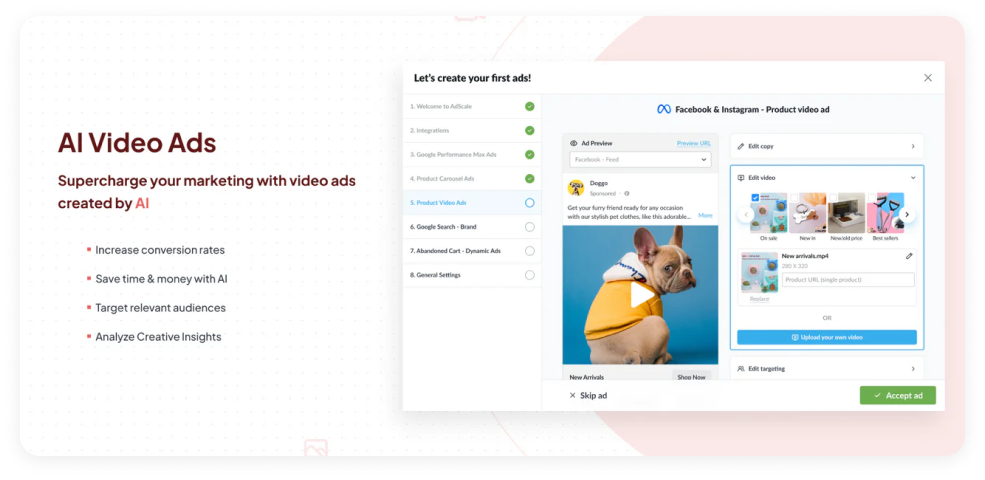
AdScale
AdScale connects to your Shopify store data and runs your ad campaigns across Google, Facebook, and Instagram from one dashboard. Its AI analyzes historical performance to optimize bids, allocate budgets, and test ad variations automatically — so your campaigns get smarter the longer they run.
We use AdScale with several mid-size Shopify clients who don't have a dedicated media buyer. It won't replace a skilled ads manager at scale, but for stores spending $2K–$15K/mo on ads, the automated optimization consistently delivers 15–25% better ROAS than manual management. The time savings alone make it worth it.
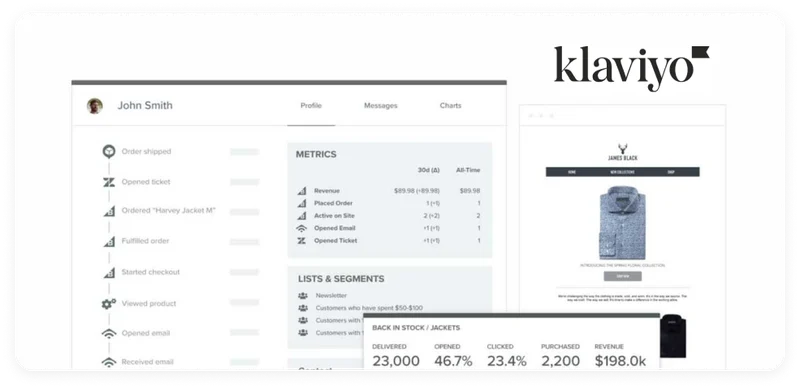
Klaviyo
Klaviyo is the default email and SMS platform for Shopify — and for good reason. It plugs directly into your store data (purchase history, browsing, cart activity) and lets you build automated flows that feel genuinely personal. Predictive analytics flag customers likely to churn, estimate lifetime value, and optimize send times.
This is the first tool we set up for nearly every Shopify client. The abandoned cart and post-purchase flows alone typically pay for the subscription within the first month. If you're still using Mailchimp, switching to Klaviyo is the single highest-ROI move you can make.

Pencil
Pencil generates video and static ad creatives using AI, trained on performance data from thousands of ecommerce campaigns. It predicts which ad variations will perform best before you spend a dollar, and integrates with Meta and TikTok ad platforms for seamless testing.
Useful for brands that need to test 10–20 ad variations per week without burning out their design team. The AI predictions aren't perfect, but they cut the number of underperforming creatives you need to weed out. Best paired with AdScale for the full automated ads stack.

Shopify Magic
Shopify Magic is Shopify's built-in AI, integrated directly into your admin panel. It generates product descriptions, email subject lines, and blog content. Paired with Sidekick (Shopify's AI assistant), it can analyze your store data, create discount codes, write ShopifyQL queries, and suggest growth opportunities — all through natural language prompts.
This is the starting point for any Shopify store. It's free, it's built-in, and it keeps getting better with every Shopify edition update. The product description generator saves hours, and Sidekick's ability to surface growth insights from your store data is genuinely impressive for a free tool. Use it before paying for anything else.
02 — CUSTOMER ENGAGEMENT & RETENTION
These tools help you build stronger relationships, collect social proof, and turn one-time buyers into repeat customers.
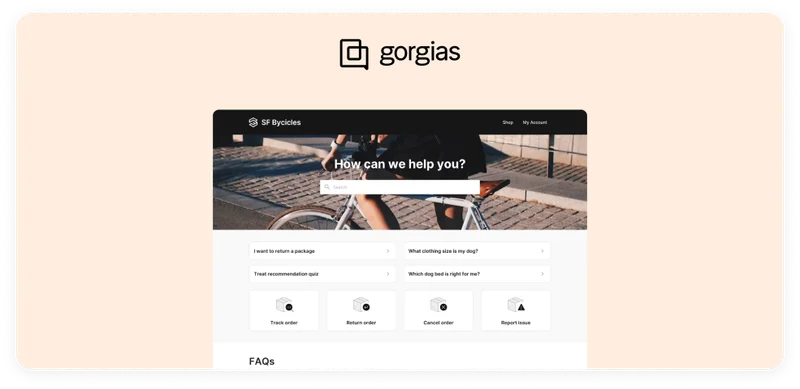
Gorgias
Gorgias pulls all your customer conversations — email, chat, social, phone — into one dashboard that's deeply integrated with Shopify. Its AI auto-responds to routine questions (order status, shipping, returns), categorizes tickets by urgency, and gives your agents full order history without switching tabs.
We've seen support teams cut response times by 40–60% after switching to Gorgias. The Shopify integration is the real differentiator — agents can process refunds, edit orders, and apply discounts without ever leaving the conversation. Essential once you're past the "I handle all support myself" stage.
Yotpo
Yotpo combines product reviews, loyalty programs, and SMS marketing into one integrated platform. It automates review requests post-purchase, displays user-generated content on product pages, and lets you build reward programs that incentivize repeat purchases and referrals.
Yotpo is the premium choice for brands that want everything in one ecosystem. The reviews-to-loyalty connection is powerful — showing real customer reviews alongside loyalty points creates a compelling reason to buy and come back. That said, if you're on a budget, you can get similar review functionality from Judge.me at a fraction of the cost.

LoyaltyLion
LoyaltyLion creates customizable loyalty programs with points, VIP tiers, and referral incentives. Its AI analyzes customer behavior to suggest which rewards will drive the most engagement, and provides analytics on program performance, LTV impact, and churn prediction.
Best suited for stores with average order values above $40 and established repeat customer bases. The ROI takes a few months to materialize, but clients who stick with it see measurable increases in repeat purchase rates. The VIP tier feature is particularly effective for creating a sense of exclusivity.
Judge.me
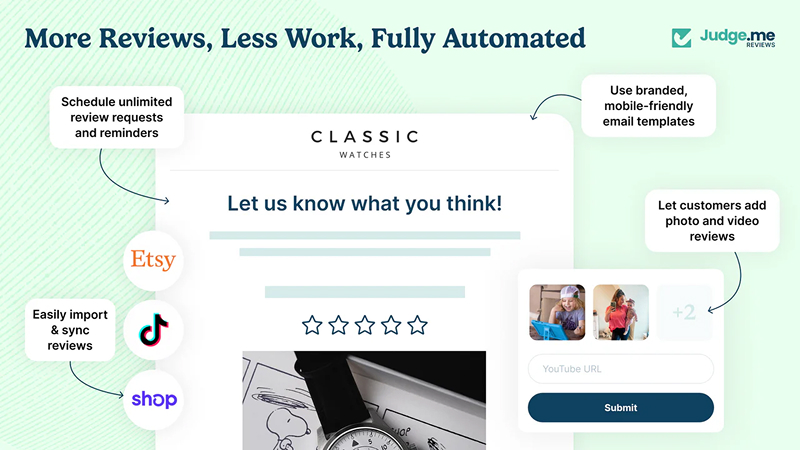
Judge.me is the most-installed review app on Shopify — and the first Shopify app to hit 40,000+ five-star reviews. It collects photo and video reviews, displays them with rich snippets for SEO, and integrates with Google Shopping. The free plan is genuinely generous, covering most of what small-to-mid stores need.
Our go-to recommendation for stores that don't need Yotpo's full suite. The free tier alone handles review collection, display, and SEO snippets. For the price-to-value ratio, nothing else comes close. We typically start clients on Judge.me and only upgrade to Yotpo when they need loyalty programs.
Recharge
Recharge is the leading subscription billing platform for Shopify, powering recurring revenue for thousands of brands. It handles subscription creation, management, and analytics — letting customers manage their own subscriptions (skip, swap, pause) through a self-service portal that reduces support tickets.
If your products lend themselves to repeat purchases (supplements, coffee, skincare, pet food), Recharge is a no-brainer. We've helped clients launch subscription models that increased predictable revenue by 30–40%. The customer self-service portal is key — it dramatically cuts "cancel my subscription" support tickets.
03 — SEO & CONTENT OPTIMIZATION
These tools help you rank higher on Google, create better content, and drive more organic traffic to your Shopify store.

Plug In SEO
Plug In SEO audits your Shopify store for SEO issues — missing meta descriptions, broken links, slow pages, missing alt tags — and gives you plain-English fixes. It runs directly inside your Shopify admin, so you don't need to be an SEO expert to act on its recommendations.
A solid starting point for SEO basics. It catches the low-hanging fruit that many Shopify stores miss — like duplicate title tags across collection pages or missing image alt text. We recommend it as a first step, then graduate to SurferSEO or MarketMuse for content-level optimization.

SurferSEO
SurferSEO analyzes the top-ranking pages for any keyword and tells you exactly how to structure your content to compete — word count, keyword density, headings, and related terms. Its Content Editor scores your writing in real-time against competitors, taking the guesswork out of SEO content creation.
This is our primary content optimization tool. Every blog post and landing page we create for clients goes through Surfer's Content Editor. The difference between an un-optimized and Surfer-optimized post is usually 3–5x more organic traffic within 60 days. Pairs perfectly with Jasper AI for the write + optimize workflow.
MarketMuse
MarketMuse uses AI to audit your entire content library, identify gaps, and build strategic content plans. It scores existing content against competitors and tells you what topics to create, update, or expand. Its Content Briefs provide writers with detailed outlines including target keywords, headings, and word counts.
Best for stores that already have 20+ blog posts and want to turn their content into a systematic traffic engine. The content gap analysis is where MarketMuse shines — it shows you exactly which topics your competitors rank for that you're missing. We use it for quarterly content planning with larger clients.
ObsessAI
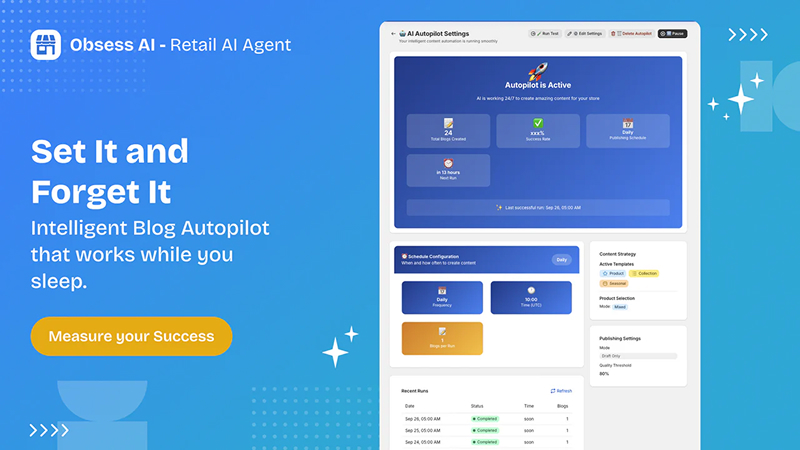
ObsessAI is a brand-new Shopify-native app that automates the full content marketing loop — keyword research, content generation, optimization, and publishing — all inside Shopify. Early users report 200% organic traffic growth with blog content reaching Google's first page within weeks.
We're actively testing this with two clients and early results are promising. The fact that it's Shopify-native (not a separate platform you have to connect) makes the workflow significantly smoother than cobbling together SurferSEO + Jasper + manual publishing. One to watch closely.
Alli AI
Alli AI lets you make sitewide SEO changes — title tags, meta descriptions, schema markup, canonical tags — without touching code. It connects to your Shopify store and provides bulk optimization tools, automated A/B testing for SEO elements, and real-time recommendations.
The price point puts this in the "scaling stores" category, but the ability to A/B test title tags and meta descriptions at scale is genuinely unique. Most useful for stores with 500+ products where manually optimizing each page isn't realistic.
04 — CONVERSION RATE OPTIMIZATION
These tools help you convert more visitors into buyers through better UX, smarter popups, and data-driven testing.
OptiMonk
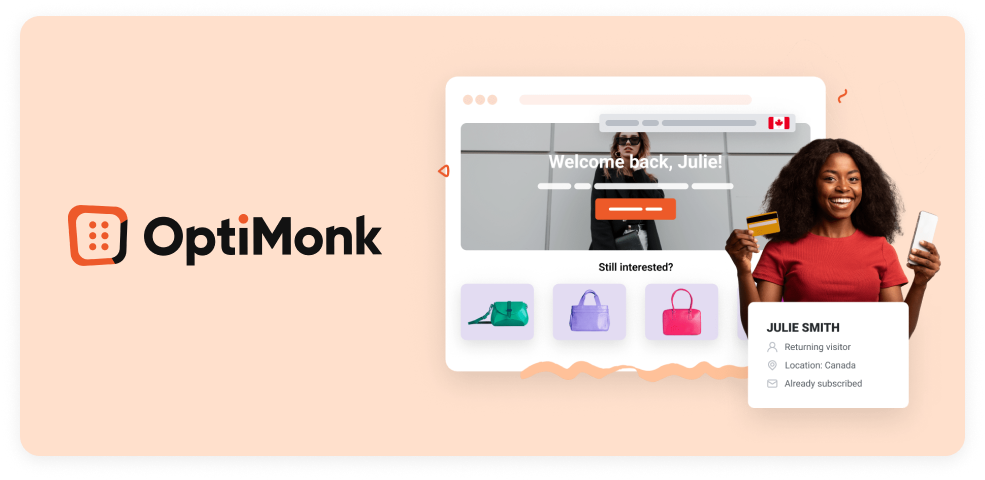
OptiMonk creates personalized popups, sticky bars, and on-site messages triggered by user behavior — exit intent, scroll depth, time on page, and more. Its AI suggests optimizations based on performance data and offers built-in A/B testing to find what converts best.
The exit-intent popups alone can recover 5–10% of abandoning visitors. We typically set up a welcome discount popup + exit-intent offer + cart abandonment reminder as the starter stack. The free plan is enough to test whether popups work for your audience.
Crazy Egg
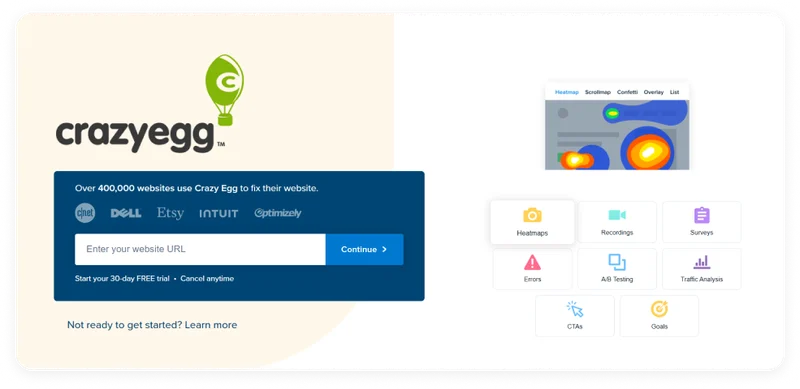
Crazy Egg shows you where visitors click, scroll, and drop off through heatmaps, scrollmaps, and session recordings. It visualizes user behavior so you can identify friction points — like a CTA nobody sees or a product page section everyone skips — and test fixes with built-in A/B testing.
We run Crazy Egg on every new client's store during the first month. The heatmaps consistently reveal surprises — like mobile users never scrolling past the third product image, or the "Add to Cart" button being below the fold on certain devices. The insights directly inform what to A/B test next.
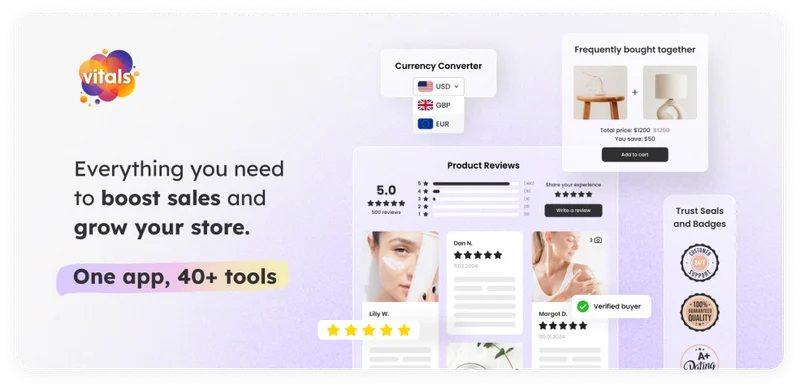
Vitals
Vitals bundles 40+ conversion features into one app — product upsells, countdown timers, social proof notifications, reviews, currency converters, and more. Instead of installing (and paying for) separate apps for each function, Vitals consolidates them with a single impact on your store's speed.
The value proposition is clear: one app fee instead of five or six, and fewer scripts slowing down your store. It's especially good for stores just starting to optimize conversions. The tradeoff is that each individual feature isn't as deep as a dedicated tool — but for most stores under $50K/mo, the breadth beats depth.
Unbounce
Unbounce builds standalone landing pages optimized for conversions. Its Smart Traffic AI automatically routes each visitor to the page variant most likely to convert them — based on attributes like device, location, and behavior — without manual A/B testing.
If you're spending real money on ads and sending traffic to your regular product pages, you're leaving money on the table. Dedicated landing pages built in Unbounce consistently convert 20–40% better than standard Shopify pages for paid campaigns. The Smart Traffic feature is the standout — it essentially runs infinite A/B tests simultaneously.
ReConvert
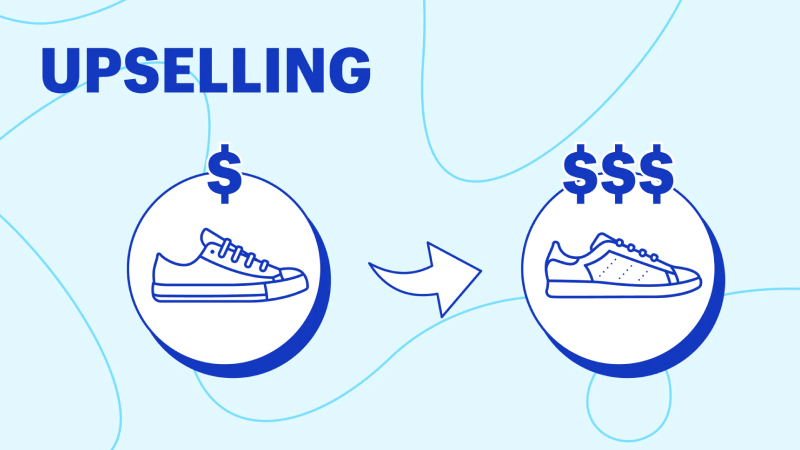
ReConvert adds one-click upsell offers to your thank-you page and post-purchase flow. Customers who just bought are in peak buying mode — ReConvert capitalizes on this with targeted product recommendations, bundle offers, and birthday collection popups right after checkout.
One of the highest-ROI apps you can install. Because the upsell happens after the initial purchase is complete, there's zero risk to your primary conversion rate. We've seen clients add 10–15% to their AOV with a well-configured ReConvert setup. At $5/mo for the starter plan, the ROI math is absurd.
05 — DYNAMIC PRICING & INVENTORY
These tools help you price competitively and keep the right products in stock at the right time.
Prisync
Prisync monitors competitor pricing in real-time and lets you set dynamic pricing rules — automatically adjusting your prices based on competitor changes, stock levels, or demand trends.
Most useful for stores selling products that are widely available from multiple retailers. The dynamic pricing rules need careful setup to protect margins, but once configured, they keep you competitive without daily manual checks.

Increff
Increff uses historical sales data, seasonality, and market trends to predict demand at the SKU level. It provides automated replenishment alerts, stock redistribution recommendations, and real-time inventory visibility across channels.
Built for brands with real inventory complexity — multiple warehouses, wholesale + DTC channels. If you're a single-location store, Prediko is probably a better fit.
Prediko
Prediko forecasts demand at the SKU level, syncing directly with your Shopify inventory. It factors in seasonality, marketing campaigns, and sales velocity to tell you exactly what to reorder and when. Built specifically for DTC and Shopify brands.
A newer tool we've been testing with a few clients. Early results are promising — one client reduced overstock by 30% in the first quarter. If you're manually tracking inventory in spreadsheets, this is the upgrade.
07 — CHATBOTS & VIRTUAL ASSISTANTS
These tools automate customer communication, provide instant support, and drive sales through conversational AI.
Tidio
Tidio combines AI chatbots with live chat, integrating directly with Shopify. Its chatbots handle FAQs, order tracking, and product recommendations 24/7.
Best bang-for-buck chatbot for Shopify stores. The free plan covers basic chatbot flows and live chat. We've seen it resolve 30–40% of support queries automatically.

Intercom
Intercom combines AI chatbots, live chat, email, and in-app messaging into one platform. The Fin AI agent can resolve conversations autonomously using your help center content.
The premium option — more powerful than Tidio or Gorgias for companies ready to invest in a full customer communication strategy. Best suited for stores with dedicated support teams.
Rep AI
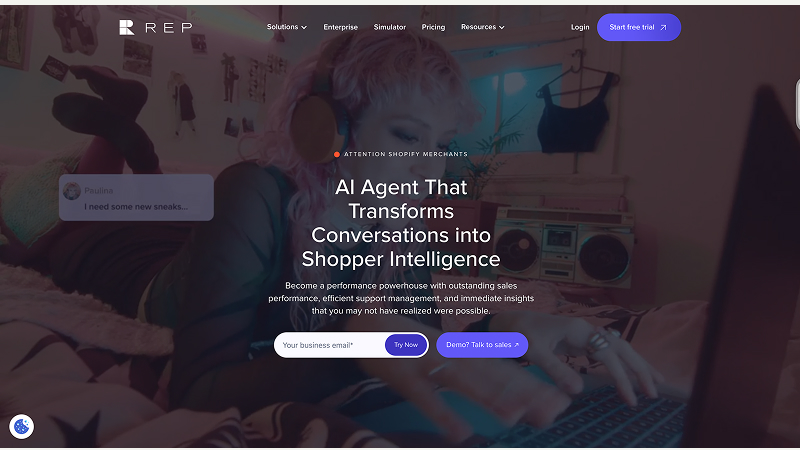
Rep AI uses behavioral AI to detect when visitors are about to leave, then engages them with personalized product recommendations. It's trained on your specific products and brand voice.
What caught our attention is the sales-focused approach. Most chatbots wait for customers to ask questions. Rep AI proactively engages visitors showing exit intent — clients report 5–15% increases in conversion rates.
Yuma AI
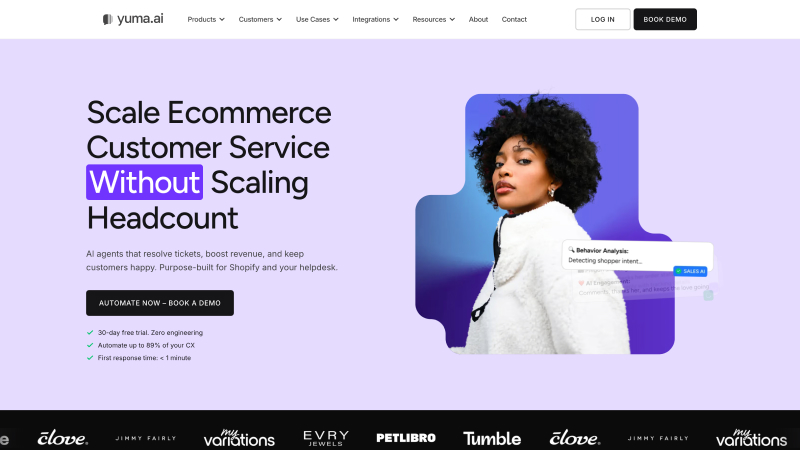
Yuma AI is built exclusively for ecommerce support automation. It connects to your Shopify store and helpdesk, learns your brand voice and policies, and autonomously handles common tickets.
For stores with significant support volume (200+ tickets/day). Yuma AI can handle 50–70% of tickets autonomously, which translates to real headcount savings. We're seeing it paired with Gorgias.

Alhena AI
Alhena AI provides a full AI customer service agent that resolves up to 80% of L1 support tickets — order tracking, returns, exchanges, product questions.
Similar to Yuma AI but with a focus on actually resolving tickets rather than just responding to them. If your biggest bottleneck is support costs, this category deserves serious evaluation.
Ringly.io
Ringly.io is an AI phone agent for Shopify — it answers phone calls, handles customer inquiries, and can process orders over the phone using natural conversation. Setup takes minutes, works 24/7.
Niche but important. If your customer base skews older or your products require phone consultation, an AI phone agent means you never miss a call. The conversation quality is surprisingly natural.
08 — AUGMENTED REALITY
These tools provide immersive product experiences that help customers visualize products before buying.

Shopify AR (3D Product Models)
Shopify's built-in AR and 3D features let customers view products in 3D or place them in their real-world environment using their phone.
If you sell anything spatial — furniture, lighting, decor — AR is no longer a gimmick. Merchants using 3D models report higher engagement and lower return rates.
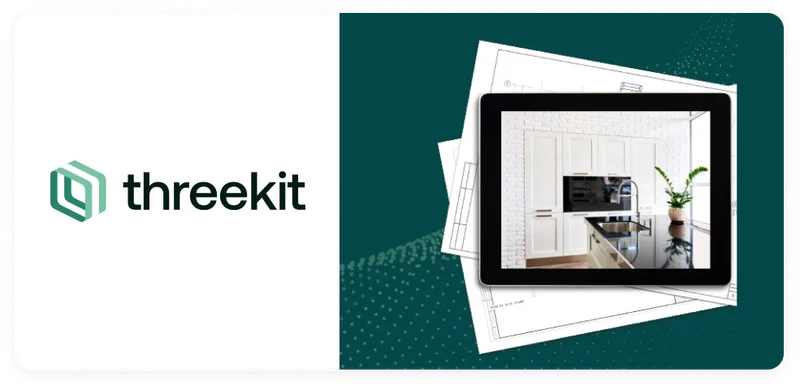
Threekit
Threekit lets customers configure products in 3D — changing colors, materials, sizes in real-time — then view the result in AR.
Enterprise-level for brands where product customization is core. The ROI case: showing customers exactly what they're getting reduces returns and increases confidence.
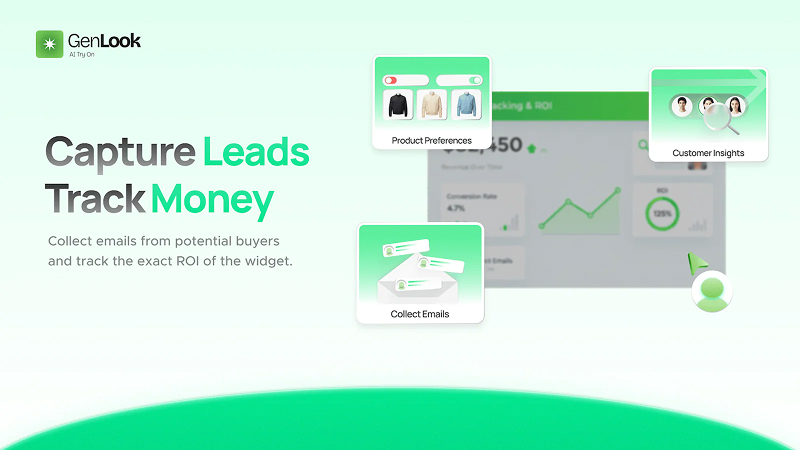
Genlook
Genlook provides AI-powered virtual try-on experiences for Shopify stores. Customers see how products look on them before purchasing.
Virtual try-on technology has improved dramatically. If you're in fashion or accessories and dealing with high return rates from fit issues, this is worth serious investigation.
09 — FRAUD DETECTION & SECURITY
These tools protect your revenue by detecting fraudulent orders and preventing chargebacks.
Signifyd
Signifyd provides real-time fraud analysis on every transaction and backs it with a financial guarantee — if they approve an order that turns out to be fraud, they pay.
The chargeback guarantee is what makes Signifyd stand out. For stores processing 500+ orders/day, the cost is justified by the peace of mind alone.

Kount
Kount uses AI with device fingerprinting, IP geolocation, and behavioral analytics to detect suspicious transactions.
More configurable than Signifyd, but requires more hands-on management. Best for stores with in-house operations teams wanting granular control.
NoFraud
NoFraud provides real-time transaction screening with impressively low false positive rates.
Hits a sweet spot between simplicity and accuracy. Solid middle-ground for stores that have outgrown Shopify's basic fraud analysis.
FraudBlock
FraudBlock automatically cancels and refunds high-risk orders before they're fulfilled.
Entry-level option. For stores processing fewer than 200 orders/day, it catches the obvious fraud without requiring setup time.
Chargeflow
Chargeflow automates the entire chargeback dispute process using AI. You only pay when they win.
The success-based pricing model makes this a no-brainer. Win rates of 60–70% on disputes merchants would have written off. If you're losing more than $500/mo to chargebacks, install this immediately.
10 — PRODUCT DISCOVERY & PERSONALIZATION
These tools help customers find the right products through AI-driven recommendations and personalization.
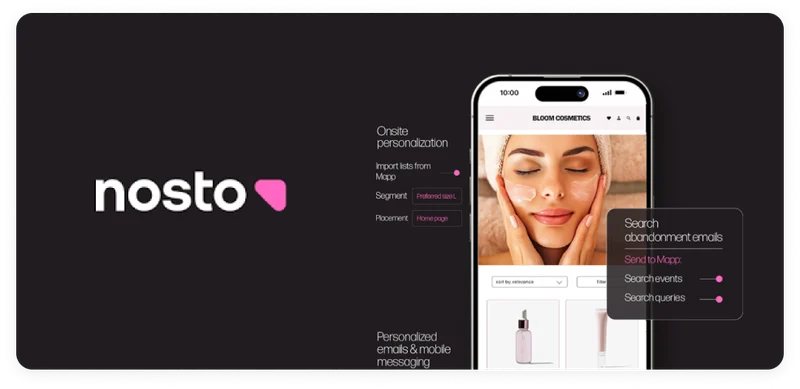
Nosto
Nosto personalizes every touchpoint — homepage, product pages, search, email, popups — based on individual customer behavior.
The most comprehensive personalization platform for Shopify. We typically see 10–20% conversion lifts with proper implementation.
LimeSpot
LimeSpot delivers personalized product recommendations, upsells, and cross-sells across your entire customer journey.
More affordable alternative to Nosto. The email recommendation engine is particularly effective. Good value for stores in the $20K–$100K/mo range.
Syte
Syte allows customers to search for products using images and provides automated product tagging.
Visual search is still underutilized in ecommerce, which means it can be a genuine differentiator for fashion and decor stores.
Octane AI
Octane AI creates interactive product quizzes that guide customers to the right products based on their preferences.
Quizzes are one of the most underrated conversion tools in ecommerce. We've seen quiz-to-purchase conversion rates of 15–25%. Works especially well for skincare, supplements, and gift shopping.
Rebuy
Rebuy delivers AI-powered recommendations in the cart, at checkout, and post-purchase.
The premium choice for product recommendations. The post-purchase upsell feature pairs well with ReConvert. If your AOV is below target, Rebuy + ReConvert is one of the fastest ways to lift it.
11 — WRITING & CONTENT GENERATION
These tools help you create product descriptions, blog posts, ad copy, and marketing content faster.
Jasper AI
Jasper AI generates marketing content across formats and maintains your brand voice consistently. Integrates with SurferSEO.
Our primary AI writing tool. The "Jasper + Surfer" combo is our go-to content workflow.
Copy.ai
Copy.ai generates marketing copy from simple prompts. Built for speed — generate multiple variations in seconds.
Best for quick-turn content needs. Simpler than Jasper, better for stores that need speed over depth. Free plan is enough for testing.
Writesonic
Writesonic generates product descriptions, blog posts, and ad content with built-in SEO optimization.
Best value AI writer if budget is your primary concern. Output quality close to Jasper's for short-form copy, at roughly half the price.
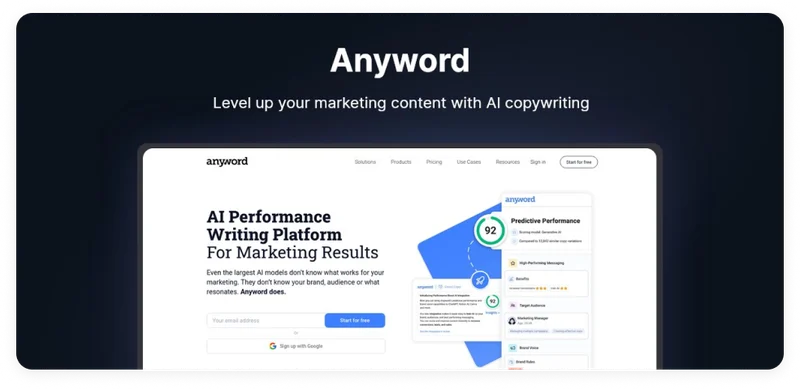
Anyword
Anyword's standout is predictive scoring — it rates every copy variation based on predicted conversion performance.
The predictive scoring saves both time and ad spend. Particularly useful for stores spending $5K+/mo on paid social.
12 — EMAIL & RETARGETING
These tools optimize email marketing and retargeting to bring customers back.
ActiveCampaign
ActiveCampaign offers deep marketing automation with predictive sending, lead scoring, and behavior-based triggers.
The power user's choice. Its workflow builder is more flexible than Klaviyo's for complex, multi-channel sequences. We use it when clients need sophisticated automation beyond standard ecommerce flows.
Omnisend
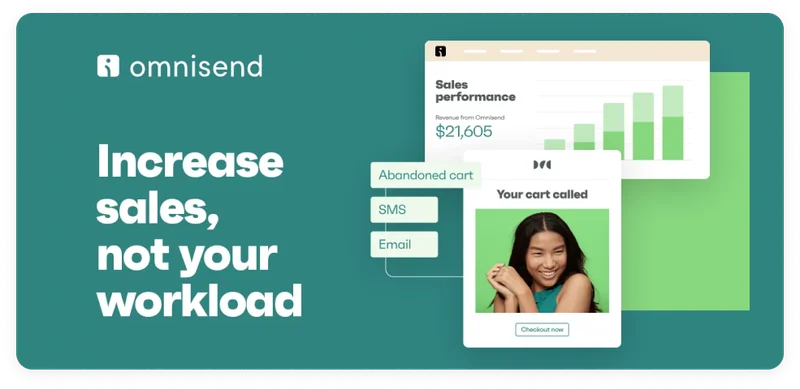
Omnisend provides email and SMS marketing automation built specifically for ecommerce.
Delivers 80% of Klaviyo's functionality at a lower price. We recommend Omnisend for stores under $20K/mo, then evaluating Klaviyo as you scale.
13 — GENERATIVE AI
These tools create original visuals and creative assets using AI.

Midjourney
Midjourney generates photorealistic and stylized images from text prompts. For ecommerce, it's invaluable for creating lifestyle product shots, ad backgrounds, social media visuals, and brand imagery — without hiring photographers or renting studios.
We use Midjourney extensively for ad creative and social content. It won't replace actual product photography, but for lifestyle contexts and brand storytelling, it saves thousands in production costs.
DALL·E (via ChatGPT)
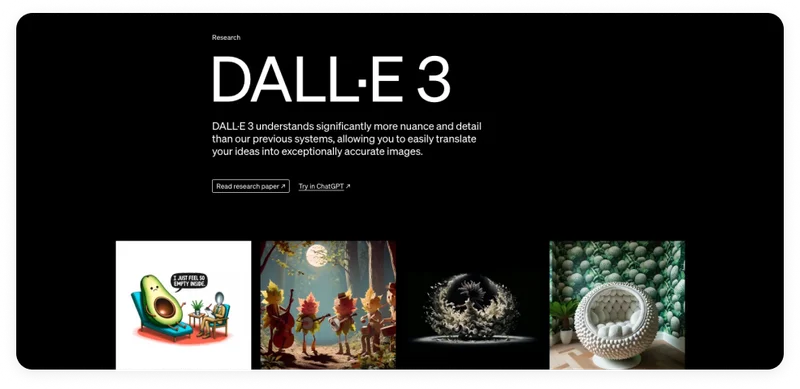
DALL·E generates and edits images, deeply integrated into ChatGPT. For ecommerce, it handles product mockups, promotional graphics, and quick visual edits.
For pure image quality, Midjourney leads. For convenience and speed, DALL·E wins.
14 — POINT OF SALE
For Shopify stores that also sell in-person — unified inventory, customer data, and sales tracking.
Shopify POS
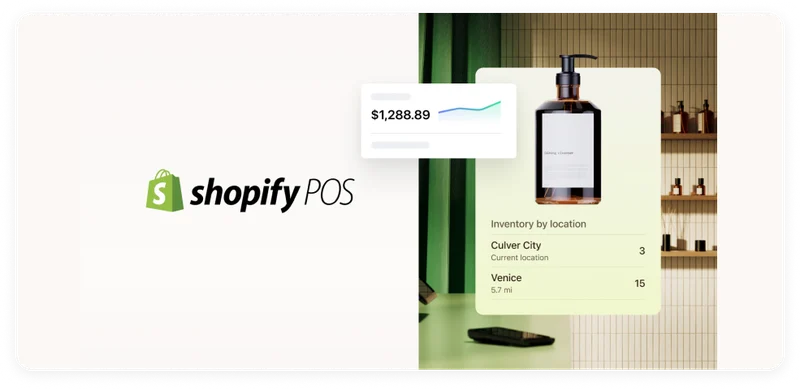
Shopify POS connects in-store and online sales through one system with unified customer profiles.
If you sell in person at all, Shopify POS is the obvious choice. The unified customer profiles are powerful for marketing.
15 — IMAGE EDITING & VISUAL CONTENT
These tools help you create and enhance product images and visual assets.

Remove.bg
Remove.bg automatically removes backgrounds from product images in one click.
Simple tool, massive time saver. Consistent white backgrounds look more professional and perform better in Google Shopping.

Canva Pro
Canva Pro includes AI-powered background removal, Magic Resize, and AI-generated templates.
The Swiss Army knife of visual content creation. Almost every one of our clients uses Canva for something.
16 — ANALYTICS & INSIGHTS
These tools consolidate your data and provide actionable insights for smarter decision-making.
Polar Analytics
Polar Analytics pulls data from Shopify, Google Analytics, Meta Ads, Klaviyo, and more into one dashboard.
Eliminates data fragmentation. Essential for stores spending $5K+/mo on marketing.

Looker AI
Looker AI provides advanced data visualization and AI-powered predictive analytics.
For stores with data teams who want to go deeper than standard analytics. For most stores, Polar Analytics is the better starting point.
17 — AI AGENT COMMERCE NEW FOR 2026
The biggest shift in ecommerce since mobile. These tools let customers discover and buy your products through AI assistants like ChatGPT, Perplexity, and Microsoft Copilot.
Shopify Agentic Storefronts
Shopify Agentic Storefronts make your products discoverable and purchasable inside AI platforms. When someone asks ChatGPT "what's the best yoga mat under $50?" your products can appear directly in the response — with the ability to buy without ever visiting your website. Orders from AI searches grew 15x between January 2025 and January 2026.
This is not optional. AI-assisted shopping is exploding, and Agentic Storefronts are Shopify's answer to making sure merchants don't get left behind. The setup is straightforward — ensure your product data is clean, descriptions are detailed, and your Shopify catalog is well-organized. Think of it as SEO for AI — the better your product data, the more likely AI assistants will recommend your products.
Shopify Checkout Kit
Shopify Checkout Kit lets you embed full checkout experiences directly into AI agents and chat interfaces. Microsoft Copilot already uses it — customers can browse and buy products without leaving the AI conversation. It's the infrastructure layer that makes AI-native commerce possible.
Together with Agentic Storefronts, this is the foundation of how ecommerce will work in the AI era. Announced by Shopify CEO Tobi Lütke, the Checkout Kit is already being used by Microsoft Copilot. The key action for merchants: make sure your checkout is optimized and your product catalog data is comprehensive, because AI agents will be making purchase decisions based on that data.
Shopify Universal Cart
Shopify Universal Cart allows customers to add products from multiple stores — even non-Shopify stores — into one seamless cart through AI shopping agents. It's designed for the future of conversational commerce where an AI assistant helps you shop across brands in a single session.
This is forward-looking infrastructure. The Universal Cart means a customer talking to ChatGPT could add your product alongside a competitor's, compare them, and check out in one go. The competitive implication: your product data, pricing, reviews, and descriptions need to be sharper than ever because you'll be compared side-by-side in ways that didn't exist before.
Frequently Asked Questions
The best AI tools depend on your stage and needs, but the most universally recommended are Klaviyo (email & SMS), Shopify Magic (built-in AI), Gorgias (customer support), and Judge.me (reviews). For stores scaling past $100K/mo, add Nosto (personalization), SurferSEO (content), and Signifyd (fraud protection).
Klaviyo. Setting up automated email flows (abandoned cart, welcome series, post-purchase) is the highest-ROI first step for any Shopify store. It's free for up to 250 contacts and pays for itself almost immediately once you start recovering abandoned carts.
For stores under $20K/mo: $50–$150/mo total using free tiers and affordable tools (Klaviyo free, Judge.me free, Tidio free, Plug In SEO free). For stores at $20K–$100K/mo: $300–$800/mo. For stores above $100K/mo: $1,000–$3,000/mo for a full AI-powered stack.
Agentic Storefronts make your products discoverable and buyable inside AI assistants like ChatGPT, Perplexity, and Microsoft Copilot. Orders from AI searches grew 15x in 2025. This is the next frontier of product discovery — think of it as SEO for AI.
For budget-friendly basics: Tidio. For full support automation: Gorgias + Yuma AI. For sales-focused engagement: Rep AI. For enterprise: Intercom with Fin AI. For phone support: Ringly.io.
AI tools improve conversions through personalized product recommendations (Nosto, Rebuy), smart popups and exit-intent offers (OptiMonk), post-purchase upsells (ReConvert), heatmap-driven design improvements (Crazy Egg), and A/B tested landing pages (Unbounce). Combined, these tools can lift conversion rates by 20–40%.
Jasper AI paired with SurferSEO for SEO-optimized descriptions. For budget-conscious stores, Shopify Magic's built-in product description generator is free and surprisingly good. Writesonic offers the best value at $16/mo.
Yes. Signifyd provides guaranteed chargeback protection, Kount offers customizable fraud rules, and Chargeflow automates dispute recovery with a success-based pricing model. For smaller stores, FraudBlock provides affordable automated fraud detection.
Prediko offers AI demand forecasting built for DTC brands, Increff handles complex multi-channel inventory, and Shopify's own inventory management (enhanced with Sidekick) covers the basics. Prediko is the best starting point for growing brands.
Focus on three things: clean and detailed product data (titles, descriptions, attributes), structured data markup (schema), and comprehensive FAQ content. Enable Shopify Agentic Storefronts, use the Checkout Kit, and ensure your product catalog is thorough — AI assistants recommend products based on the quality of available data.
Klaviyo is the market leader for Shopify email and SMS. Omnisend is a budget-friendly alternative. ActiveCampaign offers the deepest automation workflows. For most Shopify stores, Klaviyo is the right choice — start with the free plan and upgrade as your list grows.
Start free — Shopify Magic, Klaviyo free tier, Judge.me, Tidio, and Plug In SEO give you a strong foundation at zero cost. Upgrade to paid tools when you hit specific bottlenecks: too many support tickets (upgrade support tools), low conversion rates (add CRO tools), or scaling ad spend (add ad automation). Never pay for tools that solve problems you don't have yet.
SurferSEO for content optimization, Plug In SEO for technical audits, MarketMuse for content strategy, Alli AI for bulk technical SEO, and ObsessAI for automated content publishing. The most impactful combo is SurferSEO + Jasper AI for creating content that ranks.
Nosto is the most comprehensive (site-wide personalization across all touchpoints). Rebuy specializes in cart and checkout upsells. LimeSpot sits in the middle — solid recommendations at a lower price point. Choose Rebuy if AOV is your priority, Nosto if you want full-site personalization, LimeSpot if you want good recommendations on a budget.
Enable Shopify Agentic Storefronts in your Shopify admin. Then optimize your product catalog: write detailed, natural-language product descriptions, add complete product attributes (size, color, material, use case), implement structured data markup, and ensure your pricing and availability are always up to date. The Shopify Catalog API powers fast product discovery across AI platforms.
Not sure which tools are right for your store?
We've worked with Shopify brands across ecommerce, DTC, and B2B — and we've tested most of these tools firsthand.
Book a Free Audit →Or email us at [email protected]
Last updated: March 2026. We review and update this guide quarterly to ensure accuracy. Have a tool suggestion? Contact us.
06 — SOCIAL MEDIA MANAGEMENT
These tools help you plan, schedule, and optimize your social content across platforms.
Later
Later is a visual-first social media scheduler with AI-powered Smart Scheduling, Future Trends (surfaces emerging trends before they peak), and a built-in Canva integration. Supports 8 platforms.
Our top recommendation for Shopify brands that rely heavily on visual content — fashion, home decor, food, beauty. The Future Trends feature is a real differentiator in 2026. The Instagram-to-Shopify shopping integration is particularly valuable for DTC brands.
Buffer
Buffer is the simplest social media scheduler on the market. It does scheduling, basic analytics, and engagement tracking without the learning curve. Its Start Page feature creates a shoppable link-in-bio landing page.
Perfect for store owners who just need to post consistently and don't want to learn a complex platform. We recommend Buffer for clients under $20K/mo doing their own social, and Later for clients investing more in visual content strategy.
SocialBee
SocialBee's AI Copilot generates a complete content strategy from your brand inputs. Its standout feature is category-based content recycling, which automatically re-shares your evergreen content on a cadence you set.
The content recycling engine is what sets SocialBee apart. If you have blog posts, testimonials, or product highlights that stay relevant, SocialBee keeps them circulating without you creating new posts every day.